
Greater employee retention through generational diversity
Over the last few decades, generational diversity in the workplace has increased significantly. The youngest Generation Z brings in new energy, while the oldest – Traditionalist Generation – often clings to used structures.
Sometimes it can be difficult when different generations work together. Keynote speaker Karen McCullough talks about such generation management in an interview.
Short fact check
Pew Research Center defines the birth years of generations:
Traditionalists: 1928-1945
Baby Boomers: 1946-1964
Gen X: 1965-1980
Millennials: 1981-1996
Gen Z:1997-2012
Why are negative generational stereotypes so prevalent in the work environment?
Each of us comes from a time where world events, the economy, evolving cultural norms, and technological advancements shape who we are. I call this our generational lens, and we look at and evaluate others through our own lens. Differing values, work styles, and life experiences can lead to misunderstandings, conflicts, and negative stereotyping in the workplace.
Every generation, from Traditionalists to Gen Z, is bothered by misconceptions and stereotyping. Negative generational stereotypes create a feeling of being undervalued and unsupported among employees. For example, if older employees are stereotyped as “resistant to change,” they may feel that their contributions are not valued. In comparison, if younger employees are stereotyped as “entitled,” they may think that they are seen as demanding and not being taken seriously.
Add to the mix negative stereotyping by the media and pop culture. The media describes Boomers as selfish, Gen X as cynical and disaffected, and Millennials as narcissistic, lazy, and self-absorbed, and Gen Z as tech-addicted, anti-social, “social justice warriors.”
Stereotype assumptions grow when we don’t have direct contact with different age groups. If we want to make the world a better place and see thriving future generations, we must stop stereotyping and pitting generations against each other, which serves no one. Instead, we must seek ways to connect, sharing the necessary work of making the world a better place for current and future generations.
How do generational biases impact employee engagement and employee retention?
Gallup defines employee engagement as “the extent to which employees feel passionate about their jobs and are committed to the organization. Engagement in the workplace affects employee retention, productivity, and loyalty and is critical to customer satisfaction.
Generational biases can negatively impact employee engagement by creating a lack of trust, understanding, and communication between different age groups. These biases can lead to employee tension and mistrust, decreasing engagement and productivity.
It is possible to raise employee engagement and employee retention by building a culture where people feel connected, protected, and respected.
- Connected means feeling a true sense of belonging where you are connected to the organization, the work, the leaders, and the team.
- Protected is all about trust – Where you feel free to share your perspective, ideas, and values.
- Respected is when you are appreciated, valued, and at times recognized. A lack of respect can lead to a high turnover rate
Why is generational diversity in the workplace a good thing?
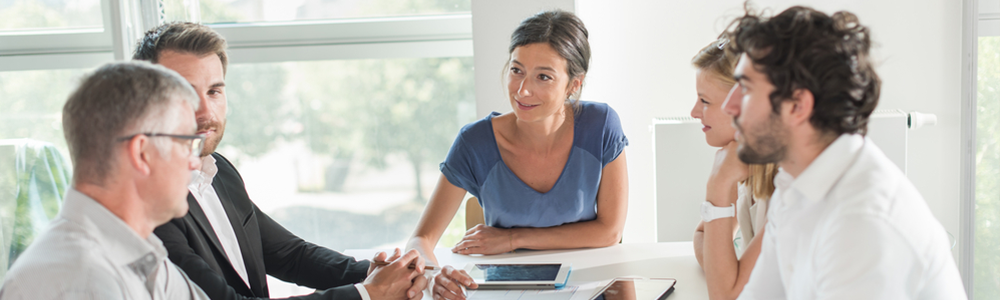
Generational diversity is a great starting point for creating a more vibrant, productive, and inclusive workplace. When you invite people from different generations, backgrounds, and perspectives to collaborate, you can begin to foster an environment where new ideas and ways of thinking are valued.
Age diversity also helps to improve communication and understanding between different generations, leading to a more cohesive and harmonious work environment. An age-diverse workforce can help an organization better understand and serve its customers and stay competitive in the marketplace. Most brands serve customers of all ages. Therefore, recruiting a workforce that reflects generational diversity can improve marketing, product development, and customer service.
Another benefit of a multigenerational workplace is knowledge sharing. Seeing the value each generation brings, building on the ideas, knowledge, and accomplishments of previous generations, as well as advancement through the innovation of younger generations, allows for progress and growth.
Inter-generational mentoring can lead to rewarding career development and increase employee retention. Add to the mix a reverse mentoring program where Millennials and Gen Z team up with senior executives to help leadership better understand what would engage their younger employees.
Why is it time to promote generational diversity?
Promoting generational diversity in the workplace is important because the workforce is becoming increasingly diverse in terms of age. Gen Z continues to enter the workplace and Baby Boomers are living longer and deferring retirement. Across the globe everything is becoming more diverse, and promoting generational diversity in the workplace can help organizations to better reflect and serve its customers and communities.
However, generational diversity can improve the workplace only when paired with an inclusive work environment. Inclusion is a measure of how supported or empowered each member of a generation feels. Employers hoping to continue hiring talent over the next decade must recognize the benefits of diversity and inclusion in the workplace. Employee loyalty and brand reputation depend on the depth and credibility of a commitment to diversity and inclusion across the generations.
The world is changing and it’s changing fast. It is important to promote generational diversity as new challenges arise that require different skills and perspectives to tackle them.

How do we concretely overcome intergenerational biases?
- Educate: Provide training on each of the generations and intergenerational biases and their effects on the workplace.
- Grow awareness: Conduct generational information awareness/sharing sessions. A great way to get people to work together across the generations is to provide them with an opportunity to educate each other about each generation’s own history, characteristics, milestone events, culture, language, and norms. Rather than talking to your people, have representatives from each age-based generation to educate people and facilitate dialogue.
- View each person as an individual: Instead of looking at a person through the lens of their generation, try viewing them as an individual. Forget about a person’s age, ignore stereotypes, ignore assumptions, and ask yourself, “What is it that I know for sure about this person?”
- Diversifying representation and leadership: Encouraging greater diversity in representation and leadership positions will help bringing new perspectives and new voices to the forefront.
- Tap into the wisdom, experience, innovation, energy, and skills of your team: It’s easy for teams to self-organize around those they relate to most. Often, that leads to generational divides where older team members spend time with older colleagues, and younger ones with their younger peers. Harvard Business Review states that colleagues learn more from each other than they do from formal training, which is why it is so important to establish a culture of coaching or cross mentoring across age groups.
By implementing these strategies and others, it is possible to overcome intergenerational biases and build a more inclusive and equitable society for all.
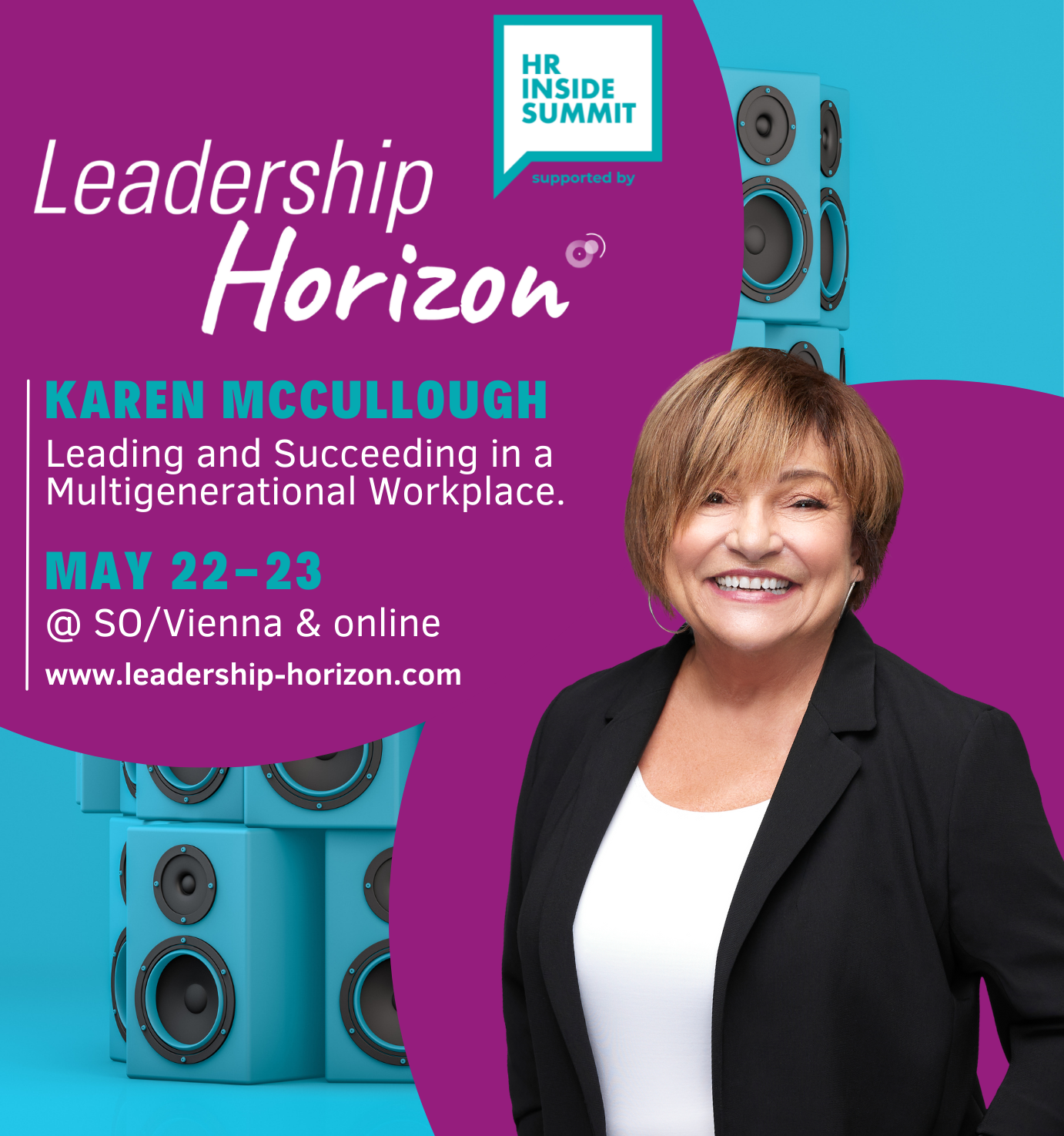
Karen McCullough
Keynote speaker
Karen McCullough is a nationally known keynote speaker and expert on change, generational opportunities and workforce trends.
Karen helps organizations cut through the generational biases and get back to reality by leveraging their team’s strengths, enriching the work environment, and driving better results.
For the past 20 years, Karen has shared her insights to top organizations such as VMware, Procter & Gamble, US Department of Justice, JPMorgan Chase, and many more.
What serves you next?