
• MDI
  • German version
  • Contact us
MDI Management Development
  • Agile leadership
  • Lateral Leadership
  • Leadership Impact
  • Leadership Development
Select Page
How Do You Lead People Who Don’t Think the Way You Do?

How Do You Lead People Who Don’t Think the Way You Do?

by Zeca Ruiz | Feb 4, 2026 | Leadership Impact, Leadership Tips, Learning Transfer | 0 comments

How Do You Lead People Who Don’t Think the Way You Do?

Do you want to listen to this article? Click here to access our AI-generated audio version!


How do you lead people who do not think the way you do?

Leadership is a challenge, especially when you are not always aligned with your colleagues and employees. Our MDI Ambassador Zeca Ruiz proves that even resistance in your team can be a good thing. You want to know why and how to deal with this? Read this blog article to find out more!

First mistake: Don’t confuse alignment with unanimity

I want to start with a simple, and perhaps uncomfortable, provocation for many leaders. If everyone on your team thinks like you, something is not right.

For a long time, I believed that good leadership meant achieving quick alignment, minimal friction, and decisions flowing with little or no resistance. Today, I think exactly the opposite. Teams that are overly aligned, in the sense of agreement, tend to be fragile, predictable, and dangerous in the long run. One of the most common leadership traps is confusing alignment with unanimity.

Why You Seek Agreement

When we seek to make people think like us, it is usually not a strategic choice. It is about comfort. Agreement gives us a false sense of control, reduces our anxiety, and makes us feel validated. The problem is that it also removes the questioning that could prevent mistakes, poorly calibrated decisions, and strategic blind spots.

The truth is, you do not want people to think like you. You want them to challenge you. When they press the right buttons, the ones that test whether you truly believe in the direction you are proposing, they strengthen the decision, refine the path, and turn a personal idea into a collective commitment.

Strong contributors do not accept everything. They question, create tension, ask for clarity, and force the leader out of autopilot. And strong leaders can hold that space with presence, inner security, and genuine openness, without becoming defensive, without confusing discomfort with threat, and without silencing differences to preserve authority.

Why You Seek Agreement

This is exactly where a fundamental distinction comes in, one that deeply changed the way I lead and develop leaders. You do not need people to agree with the path. You need them to be committed to the shared destination. The role of leadership is not to create copies of yourself, but to sustain a direction that is clear enough to allow diversity of thought without losing coherence.

This Requires an Important Mindset Shift.

Questioning is not disloyalty. Thinking differently is not a lack of engagement. On the contrary, it is often a sign of responsibility, ownership, and genuine commitment to the outcome. In practice, what truly matters is ensuring that you and your team want the same outcomes, even if you take different routes to get there. That only happens when the leader stops trying to convince and starts translating the vision into the language, pace, and motivators of each team member.

People do not engage with your vision. They engage when they can see the vision through their own motivators and their own language. Now, moving into the practical side, here are a few DOs and DON’Ts that make a real difference in everyday leadership.

DOs

  • Align on the why before discussing the how.
  • Explicitly invite dissent in important decisions.
  • Publicly recognize those who challenge you with respect and constructive intent.

DON’Ts

  • Do not confuse questioning with a lack of commitment.
  • Do not demand alignment of form when alignment of intention is what truly matters.
  • Do not label people who think differently as difficult.

Putting Gen Z Into Context

How to Create Real Commitment

In addition, I like to work with a simple set of questions that help reveal motivators and create real commitment.

  • What makes you genuinely care about this project?
  • What would need to happen for you to commit even more?
  • What are you seeing here that I might not be seeing?
  • What would you regret not saying now if things went wrong later?

These questions do something powerful. They move a person from executor to co-creator. And when someone feels like a co-creator, the level of commitment changes completely.

Emotional Maturity All the Way

At the end of the day, leading people who do not think like you is less about management and more about emotional maturity. It is about holding tension without needing to win. It is about sustaining a direction that is clear enough for different voices to contribute without diluting meaning.

Perhaps the most noble role of leadership is not to create loyal followers, but to create spaces where different people can commit to something greater than themselves.

So, Here is the Final Reflection.

Who on your team truly challenges you today?
And when that happens, do you respond with defensiveness or with curiosity?

Zeca Ruiz

Zeca Ruiz

Leadership Trainer and Consultant

Zeca Ruiz is a Leadership Trainer, Facilitator and Consultant in Human and Organizational Development. He works in leadership development across Latin America and Europe, with experience in cultural transformation processes, team dynamics and the integration of systemic methodologies into corporate practice. He is a specialist in complex thinking, a generative coach and an integrative therapist, working at the intersection between human behavior, learning and the evolution of systems. He leads trainings, talks and development programs that combine depth, clarity and practical application to prepare people and organizations for high complexity environments.


  • LinkedIn

What serves you next?

How Do You Lead People Who Don’t Think the Way You Do?

by Zeca Ruiz | 4. February 2026 | Leadership Impact, Leadership Tips, Learning Transfer | 0 Comments

How Do You Lead People Who Don't Think the Way You Do? Do you want to listen to this article? Click here to access our AI-generated audio version!   How do you lead people who do not think the way you do? Leadership is a challenge, especially when you are not...
Read More

How You Deal With Neurodiversity as a Leader

by Iris Kandlbauer | 3. February 2026 | Leadership Impact, Leadership Tips, Short Knowledge Bits | 0 Comments

How You Deal With Neurodiversity as a Leader You prefer listening to this article? You can find our AI-generated audio version below! How You Deal With Neurodiversity as a Leader What might be behind “strange” behavior in a team—and how leaders can deal with it...
Read More

Generation Z isn’t the Problem but Our System is

by Zeca Ruiz | 3. December 2025 | Impuls series, International leadership development, Leadership in the digital transformation | 0 Comments

Generation Z Isn’t the Problem, but Our System is. Read this article on crossgenerational management by Zeca Ruiz to find out more!

Read More

The Lasting Impact of Leadership Horizon – Meike’s Perspectives

by Meike Hinnenberg | 2. July 2025 | Leadership Impact, MDI Inside, Short Knowledge Bits | 0 Comments

The Lasting Impact of Leadership Horizon - Meike's Perspectives Do you prefer to listen to this article? Click below to access our AI-generated audio version!The Lasting Impact of Leadership Horizon - Meike's Perspectives MDI’s Meike Hinnenberg shares her reflections...
Read More

Success Through Change: How to Stay Oriented During Transitions

by Anita Berger | 14. April 2025 | Impuls series, Leadership Impact, Leadership Tips | 0 Comments

Success Through Change: How to Stay Oriented During Transitions Do you prefer to listen to this article? Click below to access our AI-generated audio version:Success Through Change: How to Stay Oriented During Transitions Change processes often involve challenges....
Read More

4 Tips on How to Shape Change Processes as a Leader

by Anita Berger | 3. April 2025 | Impuls series, Leadership Impact, Leadership Tips | 0 Comments

4 Tips on How to Shape Change Processes as a Leader Do you prefer to listen to this article? Click below to access our AI-generated audio version:4 Tips on How to Shape Change Processes as a Leader Imagine a dynamic network of paths that is constantly changing. While...
Read More

Successful Team Building for Boehringer Ingelheim RCV

by Anita Berger | 29. March 2024 | Customer Story, International leadership development, MDI Inside | 0 Comments

Successful Team Building for Boehringer Ingelheim RCV Do you prefer to listen to this article? Click below to access our AI-generated audio version:Successful Team Building for Boehringer Ingelheim RCV In the interview with our MDI trainer and partner, Anita Berger On...
Read More

Organize Your Team in a Hybrid Workplace

by Peter Grabuschnig | 14. March 2024 | Impuls series, International leadership development, Leadership in the digital transformation | 0 Comments

Organize Your Team in a Hybrid Workplace Prefer to listen to the article? Click below to access our AI speech-generated audio. However, if you want to read it as usual, keep scrolling.Organize Your Team in a Hybrid Workplace In his new Rise Course, our MDI trainer and...
Read More

Exploring the Influence of AI on Leadership Roles – an experiment by a CEO

by Gunther Fürstberger | 14. November 2023 | International leadership development, Leadership and AI, Leadership in the digital transformation | 0 Comments

Exploring the Influence of AI on Leadership Roles: Learn more about the ongoing ChatGPT experiment by MDI CEO Gunther Fürstberger Do you prefer to listen to this article? Click below to access our AI-generated version. Exploring the Influence of AI on Leadership...
Read More

AI as a Co-Trainer in Leadership Development

by Gunther Fürstberger | 14. November 2023 | Impuls series, International leadership development, Leadership and AI | 0 Comments

Artificial Intelligence as a Co-Trainer in Leadership Development Do you prefer to listen to this blog article? Click below to access our AI-generated version. Artificial Intelligence as a Co-Trainer in Leadership Development In a world that is constantly evolving, we...
Read More
Fostering True Workplace Commitment

Fostering True Workplace Commitment

by Marcin Swierkocki | Jan 14, 2026 | Leadership Tips, Learning Transfer, Short Knowledge Bits | 0 comments

Fostering True Workplace Commitment

Do you prefer to listen to this article? Click below to access our AI-generated audio version!

Fostering True Workplace Commitment

Throughout my years of practice, I’ve found that deep workplace commitment is achieved not through surface-level perks, but by meeting core human psychological needs.

The Q12 framework is a powerful, actionable roadmap because it directly aligns with Maslow’s Hierarchy of Needs, ensuring that foundational needs are met before higher-level drivers can activate.

The ladder to Psychological Commitment:

The Q12 questions systematically address Maslow’s hierarchy, from basic security to self-actualization:

Maslow’s Need

Q12 Focus

Management Action

Commitment Impact

Physiological/Safety

Basic Needs (Q01, Q02)

Clarity & Resources

Reduces anxiety; enables task focus.

Safety/Belonging

Individual Contribution (Q03, Q04) & Team Connection (Q05, Q10)

Strengths, Recognition, & Care

Creates Psychological Safety and a sense of value.

Esteem/Self-actualization

Growth (Q11, Q09, Q07)

Feedback, Purpose, & Voice

Drives discretionary effort and innovation by fostering fulfillment.

Create a Safe and Supportive Learning Environment

The business payoff:

By managing to the Q12, organizations systematically address these needs, leading to significant commercial returns:

  • Higher loyalty – meeting basic needs and fostering care reduces turnover.
  • Greater effort, connecting work to purpose (Self-actualization), drives discretionary effort.
  • Superior results – highly engaged (high Q12) teams report up to 23% higher profitability.

My takeaway:

Use the Q12 as your operational model to transition your workforce from simple satisfaction to unwavering commitment.

P.S. The practical steps of how to engage and how to commit are frequently addressed topics in my leadership seminars. Reach out if your organization is ready to move from measurement to meaningful action!

Marcin Swierkocki

Marcin Swierkocki

Trainer, Coach & MDI Partner

Marcin Swierkocki works as an HR business consultant who has specialized in L&D, change- and project management. He brings over 25 years of international experience in change management and operational development with him. His personal motto is influenced by Viktor Frankl: ‘Between stimulus and response there is a space. In that space is our power to choose our response. In our response lies our growth…’. His personal inspiration comes from his optimistic and positive character and by draining the energy that successfully supporting others gives him.

  • LinkedIn

What serves you next?

AI Ethics for Leaders: Why Context and Critical Thinking Matter More Than Ever

by Meike Hinnenberg | 11. March 2026 | Impuls series, Leadership and AI, Learning Transfer | 0 Comments

AI Ethics for Leaders: Why Context and Critical Thinking Matter More Than Ever. Meike’s Reflections on Artificial Intelligence Do you prefer to listen to this article? Click below to access our AI-generated audio version!AI Ethics for Leaders: Why Context and Critical...
Read More

A Success Story – When AI Sharpens Human Judgement

by Claude MacDonald, Rafael Ungvari | 6. March 2026 | Customer Story, Digital Transformation, Leadership and AI | 0 Comments

A Success Story – When AI Sharpens Human Judgement Do you prefer to listen to this article? Click here to access our AI-generated audio version! When AI Amplifies Human Judgment: A Customer Success Story About This Project At MDI, we believe that great leadership and...
Read More

How Do You Lead People Who Don’t Think the Way You Do?

by Zeca Ruiz | 4. February 2026 | Leadership Impact, Leadership Tips, Learning Transfer | 0 Comments

How Do You Lead People Who Don't Think the Way You Do? Do you want to listen to this article? Click here to access our AI-generated audio version!   How do you lead people who do not think the way you do? Leadership is a challenge, especially when you are not...
Read More

How You Deal With Neurodiversity as a Leader

by Iris Kandlbauer | 3. February 2026 | Leadership Impact, Leadership Tips, Short Knowledge Bits | 0 Comments

How You Deal With Neurodiversity as a Leader You prefer listening to this article? You can find our AI-generated audio version below! How You Deal With Neurodiversity as a Leader What might be behind “strange” behavior in a team—and how leaders can deal with it...
Read More

Anita’s Key to Success for International Cooperation

by Jana Wölfl | 3. February 2026 | Leadership and AI, Leadership Tips, MDI Spotlight Series | 0 Comments

Anita's Key to Success for International Cooperation This blog is an excerpt from our new podcast! You can find the entire podcast episode here. Anita's Key to Success for International Cooperation In our new video podcast format, “Voices of Leadership – an MDI...
Read More

Fostering True Workplace Commitment

by Marcin Swierkocki | 14. January 2026 | Leadership Tips, Learning Transfer, Short Knowledge Bits | 0 Comments

Fostering True Workplace Commitment Do you prefer to listen to this article? Click below to access our AI-generated audio version! Fostering True Workplace Commitment Throughout my years of practice, I've found that deep workplace commitment is achieved not through...
Read More

Marcin Swierkocki on the Full Range Leadership Model

by Jana Wölfl | 19. December 2025 | Leadership and AI, Leadership Tips, MDI Spotlight Series | 0 Comments

Marcin Swierkocki on the Full Range Leadership Model This blog is an excerpt from our new podcast! You can find the entire podcast episode here. Marcin Swierkocki on the Full Range Leadership Model In the newest episode of our podcast “Voices of Leadership | An MDI...
Read More

Self-Efficacy in Change: Why It Matters

by Anita Berger | 17. December 2025 | Leadership Tips, Learning Transfer, Short Knowledge Bits | 0 Comments

Why It Matters When Transformation Gets Hard Do you prefer to listen to this article? Click below to access our AI-generated audio version:Self-Efficacy: Why It Matters When Transformation Gets Hard Change can be exhausting.Especially when things are unclear,...
Read More

Generation Z isn’t the Problem but Our System is

by Zeca Ruiz | 3. December 2025 | Impuls series, International leadership development, Leadership in the digital transformation | 0 Comments

Generation Z Isn’t the Problem, but Our System is. Read this article on crossgenerational management by Zeca Ruiz to find out more!

Read More

From Lab to Practice: What We Learned With AI

by Rafael Ungvari | 3. September 2025 | Digital Transformation, Leadership and AI, Short Knowledge Bits | 0 Comments

From Lab to Practice: What We Learned With AI Do you prefer to listen to this article? Click here to access our AI-generated audio version! From Lab to Practice: What We Learned With AI AI in organizations isn’t a one-size-fits-all solution. And in people development,...
Read More
How to Stay Connected: Leadership in Challenging Times

How to Stay Connected: Leadership in Challenging Times

by Jana Wölfl | Aug 28, 2025 | Impuls series, Leadership in the digital transformation, Training Insights | 0 comments

How to Stay Connected: Leadership in Challenging Times

This blog is an excerpt from our new podcast! You can find the entire podcast episode here.

Staying connected: Leadership in challenging times

In our new video podcast format, “Voices of Leadership – an MDI Spotlight Series,” we regularly bring leadership experts in front of the camera to talk to them about their passions in leadership development.

Our first guest was Peter Grabuschnig – we spoke with him about the challenges in the current work climate, received his tips for new leaders, and discussed a topic close to his heart. Read this blog post to learn more about our first podcast episode!

What really matters to Peter

Right at the beginning, Peter introduces us to the topic close to his heart – connectedness in challenging times.

“I’ve noticed that we are more connected than ever before, but people feel little real connection.”

He explains that, especially with the changes brought about by the COVID-19 pandemic and new home office regulations, it has become more difficult to connect with one another, both among employees and between leaders and employees. At the same time, we are increasingly losing touch with ourselves and our values.

Peter emphasizes that it is an important challenge to restore this sense and be passionate about something again. He also says that he likes to use personality models in his training sessions. These can help participants to meet each other halfway and create a pleasant working environment despite personality differences.

Peter’s best feedback

When it comes to training, we ask Peter what feedback he remembers most. He tells us about participants who were skeptical at first but ended up giving him a high five with total enthusiasm.

He also says that participants often tell him that they’re using the tools they learned and that it’s working.

“I don’t think there’s anything better than that.”

What really matters to Peter

What should leaders change?

Remove judgment and listen consciously. Peter asserts that (negative) judgment, especially in conversations with employees, only causes lasting harm and demotivates employees.

At the same time, he says it is essential for leaders to listen consciously to their employees and thereby build a genuine relationship. The main thing here is to give the other person your full attention and show genuine interest.

“Genuine connection doesn’t take long. A few short sentences are enough.”

He also emphasizes that different people in a team are important assets and that sufficient communication is the most important tool here.

What will challenge us in the coming years?

For Peter, one thing is clear: we need human contact to actively combat increasing loneliness.

“Humans are social beings. We are community creatures; we need other people. Oxytocin is released when we hug someone, not when we have a nice MS Teams meeting with someone.”

Working from home means that many interactions with colleagues are lost. We are often more productive at home, but at what cost? Peter sees this as the biggest challenge – how can we balance productivity and connectedness in a hybrid, rapidly changing world?

Peter as a time traveler

Finally, we asked Peter what advice he would give his younger self if he could travel back in time. His answer: He doesn’t have to know everything. As a young trainer, he often felt that he had to be able to do everything and design the perfect training program. Now he knows:

“Being present is much more important than perfection.”

Authenticity also plays a major role: “If I am authentic, then hopefully my participants can be too!”

Conclusion

Our conversation with Peter showed us how important genuine connection is in today’s work environment. Leadership does not mean always knowing everything, but rather being present, listening, and consciously shaping relationships. Especially in times of remote work and hybrid structures, creating closeness and trust remains a central task.

Peter reminds us that leadership does not primarily work through processes or tools, but through people. Authenticity and genuine interest are often the key to strengthening teams in the long term.

Want to listen to the whole podcast? Here you can access the YouTube video! Follow us to make sure you don’t miss any more conversations with leadership experts.

Jana Wölfl

Jana Wölfl

Marketing Assistant

Jana Wölfl is a marketing assistant at MDI and works on our blog. She has already been responsible for several areas of marketing, such as designing our new website and administering our personalist.at portal.

Download our new MDI Whitepaper:

This could also interest you:

AI Ethics for Leaders: Why Context and Critical Thinking Matter More Than Ever

by Meike Hinnenberg | 11. March 2026 | Impuls series, Leadership and AI, Learning Transfer | 0 Comments

AI Ethics for Leaders: Why Context and Critical Thinking Matter More Than Ever. Meike’s Reflections on Artificial Intelligence Do you prefer to listen to this article? Click below to access our AI-generated audio version!AI Ethics for Leaders: Why Context and Critical...
Read More

A Success Story – When AI Sharpens Human Judgement

by Claude MacDonald, Rafael Ungvari | 6. March 2026 | Customer Story, Digital Transformation, Leadership and AI | 0 Comments

A Success Story – When AI Sharpens Human Judgement Do you prefer to listen to this article? Click here to access our AI-generated audio version! When AI Amplifies Human Judgment: A Customer Success Story About This Project At MDI, we believe that great leadership and...
Read More

How Do You Lead People Who Don’t Think the Way You Do?

by Zeca Ruiz | 4. February 2026 | Leadership Impact, Leadership Tips, Learning Transfer | 0 Comments

How Do You Lead People Who Don't Think the Way You Do? Do you want to listen to this article? Click here to access our AI-generated audio version!   How do you lead people who do not think the way you do? Leadership is a challenge, especially when you are not...
Read More

How You Deal With Neurodiversity as a Leader

by Iris Kandlbauer | 3. February 2026 | Leadership Impact, Leadership Tips, Short Knowledge Bits | 0 Comments

How You Deal With Neurodiversity as a Leader You prefer listening to this article? You can find our AI-generated audio version below! How You Deal With Neurodiversity as a Leader What might be behind “strange” behavior in a team—and how leaders can deal with it...
Read More

Anita’s Key to Success for International Cooperation

by Jana Wölfl | 3. February 2026 | Leadership and AI, Leadership Tips, MDI Spotlight Series | 0 Comments

Anita's Key to Success for International Cooperation This blog is an excerpt from our new podcast! You can find the entire podcast episode here. Anita's Key to Success for International Cooperation In our new video podcast format, “Voices of Leadership – an MDI...
Read More

Fostering True Workplace Commitment

by Marcin Swierkocki | 14. January 2026 | Leadership Tips, Learning Transfer, Short Knowledge Bits | 0 Comments

Fostering True Workplace Commitment Do you prefer to listen to this article? Click below to access our AI-generated audio version! Fostering True Workplace Commitment Throughout my years of practice, I've found that deep workplace commitment is achieved not through...
Read More

Marcin Swierkocki on the Full Range Leadership Model

by Jana Wölfl | 19. December 2025 | Leadership and AI, Leadership Tips, MDI Spotlight Series | 0 Comments

Marcin Swierkocki on the Full Range Leadership Model This blog is an excerpt from our new podcast! You can find the entire podcast episode here. Marcin Swierkocki on the Full Range Leadership Model In the newest episode of our podcast “Voices of Leadership | An MDI...
Read More

Self-Efficacy in Change: Why It Matters

by Anita Berger | 17. December 2025 | Leadership Tips, Learning Transfer, Short Knowledge Bits | 0 Comments

Why It Matters When Transformation Gets Hard Do you prefer to listen to this article? Click below to access our AI-generated audio version:Self-Efficacy: Why It Matters When Transformation Gets Hard Change can be exhausting.Especially when things are unclear,...
Read More

Generation Z isn’t the Problem but Our System is

by Zeca Ruiz | 3. December 2025 | Impuls series, International leadership development, Leadership in the digital transformation | 0 Comments

Generation Z Isn’t the Problem, but Our System is. Read this article on crossgenerational management by Zeca Ruiz to find out more!

Read More

From Lab to Practice: What We Learned With AI

by Rafael Ungvari | 3. September 2025 | Digital Transformation, Leadership and AI, Short Knowledge Bits | 0 Comments

From Lab to Practice: What We Learned With AI Do you prefer to listen to this article? Click here to access our AI-generated audio version! From Lab to Practice: What We Learned With AI AI in organizations isn’t a one-size-fits-all solution. And in people development,...
Read More
Promoting Cohesion and Retaining Talent: Leadership in Focus

Promoting Cohesion and Retaining Talent: Leadership in Focus

by Peter Grabuschnig | Aug 17, 2023 | International leadership development, Leadership in the digital transformation, training new leader | 0 comments

Promoting Cohesion and Retaining Talent: Leadership in Focus

Prefer to listen to the article? Click below to access our AI speech-generated audio. However, if you want to read it as usual, keep scrolling.

Promoting Cohesion and Retaining Talent: Leadership in Focus

In a changing world of work, where motivation and employee retention are crucial, leaders are increasingly in the spotlight. Current statistics send alarming signals: 60% of leaders receive no leadership development at all. Gallup’s “State of the Global Workplace” report highlights the urgency of this problem.

Learn with this article how targeted leadership development can strengthen cohesion and serve as a key to retaining and motivating talent.

The motivation of European employees is in danger

People lack recognition for their performance. Much emphasis is placed on employer branding and new recruiting strategies – but what can leaders use to retain and motivate employees over the long term?

The “State of the Global Workplace” report by Gallup (June 2023) confirms this lack of motivation, which many HR managers suspected. Only a small number of employees show a real commitment to their work, colleagues, or supervisors.

Most respondents merely perform their duties and see their job as a means to an end. Worryingly, 72% of these people would change jobs given a better opportunity.

In Austria, only one in 10 employees are motivated on the job and feel a strong connection to the company. These employees feel valued by their direct supervisors and are satisfied in the team environment. They are also willing to go the “extra mile,” which is important in most companies.

More recognition and flexibility

Our goal for the future, at least according to Gallup, should be to support this specific group of employees in the company. As quickly as you can lose them, turning them into loyal employees would in principle be possible.

Small changes are often enough, such as

  • increased recognition
  • more flexibility
  • confidence in their abilities
  • or the expansion of a clearly defined scope for action and decision-making.

Jon Clifton, CEO of Gallup, sums it up:

“To address the challenges of our time, we need to change the way we lead people.”

Promoting Cohesion and Retaining Talent

Leadership in focus

This is a clear message that is not only directed at HR departments but above all at leaders. Both the times and the nature of leadership are changing and require new requirements and approaches. This does not necessarily mean that previous approaches were bad.

Nevertheless, we should think about how to respond to the new realities of our time. The COVID-19 pandemic has woken people up – not only to digitalization but also to their own work-life balance.

Developing a culture of belonging

The question that now arises is how companies are able, despite growing flexibility in the form of home offices, new time models, etc., to establish a culture that creates a sense of connection and belonging despite partial physical distance.

While corporate culture is often shaped by top management, it emerges and develops in completely different places. Each team, each department, and even each division shapes its own culture. This often reflects the values of the company, but not always.

What is the reason for this? Leadership!

Employees are not motivated because of the awesomeness of the company they work for. The main reason is a well-functioning and stable team. The leader is responsible for this. And this is exactly where the starting point lies.

60% of leaders do not receive leadership development.

Individuals are often promoted into leadership positions without receiving adequate experience or training – a phenomenon known as the “Peter Principle.” These practices lead to competency gaps and tolerate poor leadership, which in turn can lead to high employee turnover.

Although there is obviously harmful leadership behavior, there is often no intervention, possibly due to relationships with top management or perceived expertise.

Promoting Cohesion and Retaining Talent

The time for tolerating bad leadership is over

This neglect has long-term negative effects on the company. It’s time to stop tolerating bad leadership. Two main ways that corporate culture is slowly decomposing are rewarding toxic team members and self-centered leaders.

Successful company cultures rely on collaboration and encouragement rather than selfish approaches. Employees with excessive egos appropriate success and discourage talented colleagues. By tolerating this harmful behavior, team dynamics are undermined.

In order to strengthen a sense of belonging, employee commitment, productivity, and resilience, it is critical to actively address poor leadership. The future requires close monitoring and effective action against this problematic behavior.

The leader is the key to any successful team.

While salary, flexibility, and additional benefits are important, they are not the all-inclusive solution. Even a modern office can’t attract someone if the team climate isn’t right. Debates about work schedules like the 4-day work week should only come to the forefront when the team and leadership are in harmony.

Improve retention:

The most effective way to solidify employee commitment to the company is through effective leadership at the direct level. Contemporary, values-based leadership development is critical.

One-off face-to-face seminars are no longer enough. Continuous support and individual team development are indispensable. Concrete steps such as coaching, empowerment, and servant leadership should be implemented comprehensively. Only in this way can the bond and togetherness in the team be strengthened to achieve successful results together.


Tips for strengthening connectedness & belonging in hybrid daily life:

  • Emphasize transparent communication, coaching, and clear goals in a community.
  • Encourage regular sharing, team activities, and projects.
  • Establish a supportive culture of appreciation.
  • Prioritize flexibility and inclusion.
  • Identify and encourage development opportunities.
  • Promote generational understanding.
  • Connect function and purpose (1on1 virtual, face-to-face solutions).
  • Enable digital collaboration.
  • Evaluate and challenge collaboration regularly.
Peter Grabuschnig

Peter Grabuschnig

Trainer, Coach & MDI Partner

Peter is a partner and trainer at MDI, advising major international corporations on implementing hybrid work policies and building a hybrid work and leadership culture.

He is considered an expert in training design. With his Webinar Guru Framework he has developed a tool that helps to design training content for successful and activating virtual learning.

  • LinkedIn

Download our Whitepaper:

Paper Mock Up
Successful instruments for Employee Retention

Successful instruments for Employee Retention

by Christoph Monschein | Apr 26, 2023 | International leadership development, Leadership in the digital transformation, Leadership Tips | 0 comments

Successful instruments for Employee Retention

Employer Branding: How to position your company sustainably as an attractive employer

Today’s employers and leaders face several challenges. The search for qualified employees is becoming increasingly difficult and lengthy, and if you want to win over the best minds on the market, you have to have a lot to offer today’s applicants.

More than ever, the tables are being turned: High potentials are choosing their employers, not the other way around. In this distinct employee market, the company must withstand the critical gaze of potential candidates and convince them of its attractiveness as an employer.

For some time now, the recruiting process has therefore become one of the most challenging tasks for companies. The war for talents, i.e. the competition between companies for the best talents and specialists, has also become a fixed part of everyday working life in Austria.

The change of values in employer branding

It wasn’t all that long ago that if an employer offered a secure job with a good or above-average salary and a generous bonus on top, then they could choose from a pool of talent and secure the candidates who best fit the advertised positions.

Today, this is no longer enough to find motivated employees. The “cash for time” model has had its day in this country.

The younger generations in particular have much higher expectations of employers today. The focus is on topics such as the working environment, flexibility and hierarchies, corporate culture, purpose, and, last but not least, how the company deals with corporate social responsibility.

In addition to salary, flexible working time models and a healthy work-life balance, appreciation, respectful interaction, well-being in the workplace and meaningful work are of particular importance today and successful instruments for Employee Retention. 

Strengthening employer branding and positioning as an employer of choice

Companies have different ideas about corporate image and what it should look like in the future. But they all have the same goals: They want to offer their employees a better jobs and retain them in the long term. Employer branding helps to improve the company’s image and reputation as well as its employer brand.

It is an important element in achieving greater employee loyalty and reducing turnover rates, which are costly for companies. Employees who feel valued by their employer stay with the company longer and perform better. This means that employers not only have the opportunity to attract new talent but also to retain existing employees.


But how does a company manage to position itself as an employer of choice and thus secure competitive advantages in the battle for high potentials and retain the best minds?

employer branding

These are the questions companies need to ask themselves as part of the employer branding process today

  • What image do I want to have on the employer market?
  • How can I get & keep the employees I need to achieve my goals?
  • What does the “new generation” expect from employers?
  • What can established companies learn from start-ups?
  • What is the company’s purpose and how is it lived?

Measures to improve the employer brand

There are many ways in employer branding to create a modern and pleasant working environment with additional incentive systems. Since employees can be very different – keyword “Clash of Generations” – it is important to turn different screws to meet as many needs as possible.

Today, a compensation package has long been more than just a salary. It is therefore a challenge for modern management to put together a good overall package and to be authentic at the same time. Roughly speaking, there are 5 pillars that should be considered.

1. Work-Life-Balance

The name of the game in today’s job search. A good work-life balance is not only desired by applicants, it is a prerequisite and is at least as important as adequate pay. Today, it is more important than ever that the job fits in well with private life, not the other way around. This is what a company can offer in order to fulfill this wish:

  • Home Office
  • Remote Work
  • Flexible time management
  • 4-day week
  • Offer flexibility
  • Workation

2. Trust – Be a Leader, not a Boss

Employer branding is an important instrument for employee retention. It is about the social reputation of a company and the recognition of its employees as appreciative employers.

Independent work is playing an increasingly important role. In modern companies, employees are no longer purely followers of orders. Instead, they show initiative and assume responsibility. Meaningful areas of responsibility, flat hierarchies, opportunities for creative participation and development, and the strengths of each person are in the foreground.

This aspect of the management culture has a significant impact on employer branding. Positive reviews on evaluation platforms by employees should not be underestimated. Particular attention should be paid to the following:

  • Trust employees, relinquish control
  • Focus on independent work
  • Strengthen initiative & Motivation
  • Room for mistakes – talk about them & learn
  • transparency
  • communication
  • Feedback culture

3. (Tax-free) Benefits: An indispensable part of modern employer branding

A simple way to show appreciation to employees is through (tax-free) benefits. Gratitude for the work performed by employees should be reflected in more than just their salary.

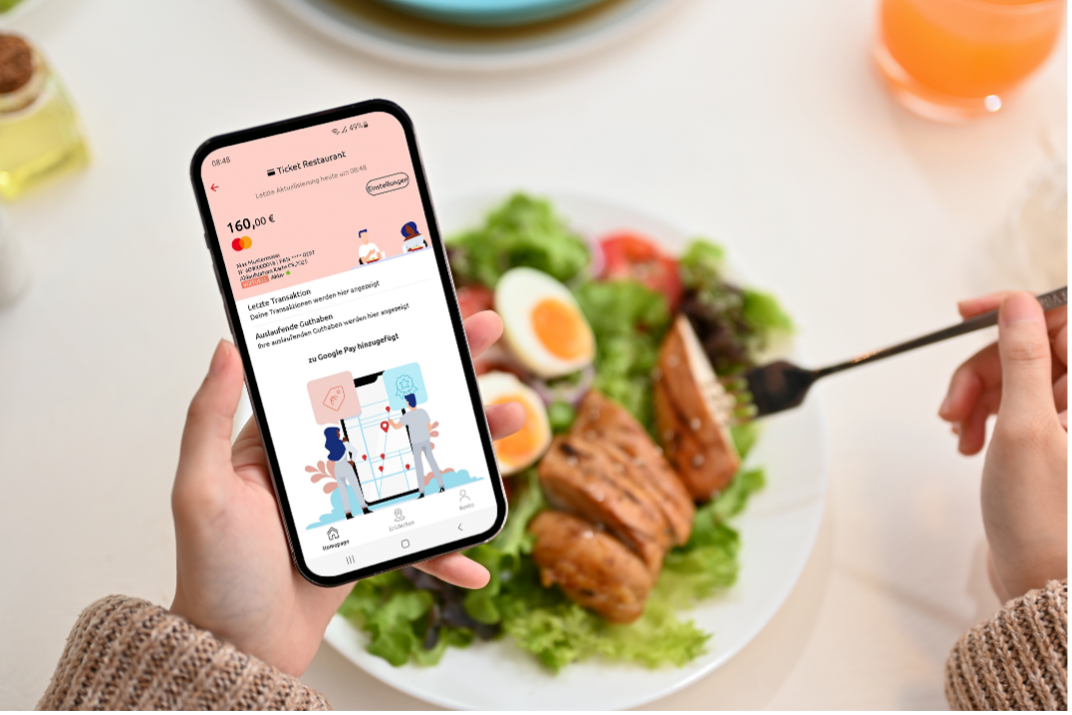
The lunch allowance is particularly attractive in Austria. Tax allowances of up to €8 per employee per working day (equivalent to an annual tax allowance of €1,760 per employee) make this incentive particularly worthwhile for both sides. A varied and balanced diet has been proven to have a positive effect on human health.

As an employer, the well-being of your employees and staff catering should therefore be close to your heart – at least because of expensive sick leave and reduced productivity.

Employer Branding

Around 300,000 employees across Austria are already using Edenred’s digital meal and food vouchers. These can be easily redeemed by recycled plastic card or directly by smartphone with Apple Pay or Google Pay at more than 20,000 redemption points in retail and catering, including online.

This ensures a balanced lunch break both in the office and in the home office – a factor that should not be underestimated, both in promoting health and employee loyalty and motivation.

The following benefits are particularly suitable as employer branding measures:

  • Meal subsidy
  • Gifts on occasions (e.g. wedding, birth, anniversary, Christmas)
  • Public transport ticket
  • Support for sports activities
  • Retirement provision
  • Discounts

4. Culture & Purpose: Indispensable in Employer Branding for Generation Z

It is becoming increasingly important, especially for young talents of the younger generations who are striving to enter the job market, that the company’s values match their own. Applicants are also increasingly paying attention to the sincere and authentic commitment of companies in the areas of sustainability and social issues – the keyword here is corporate social responsibility.

The purpose is becoming the criterion by which young applicants in particular choose their employer. It must create meaning and be in harmony with that of the employees in order to motivate and evoke the best.

Pay particular attention to the following points for successful employer branding:

  • Sincere and authentic commitment
  • No social and greenwashing
  • Clear definition & communication of purpose
  • Live purpose & values
  • Allow employees to set their own initiatives

5. Workplace – more than just a desk

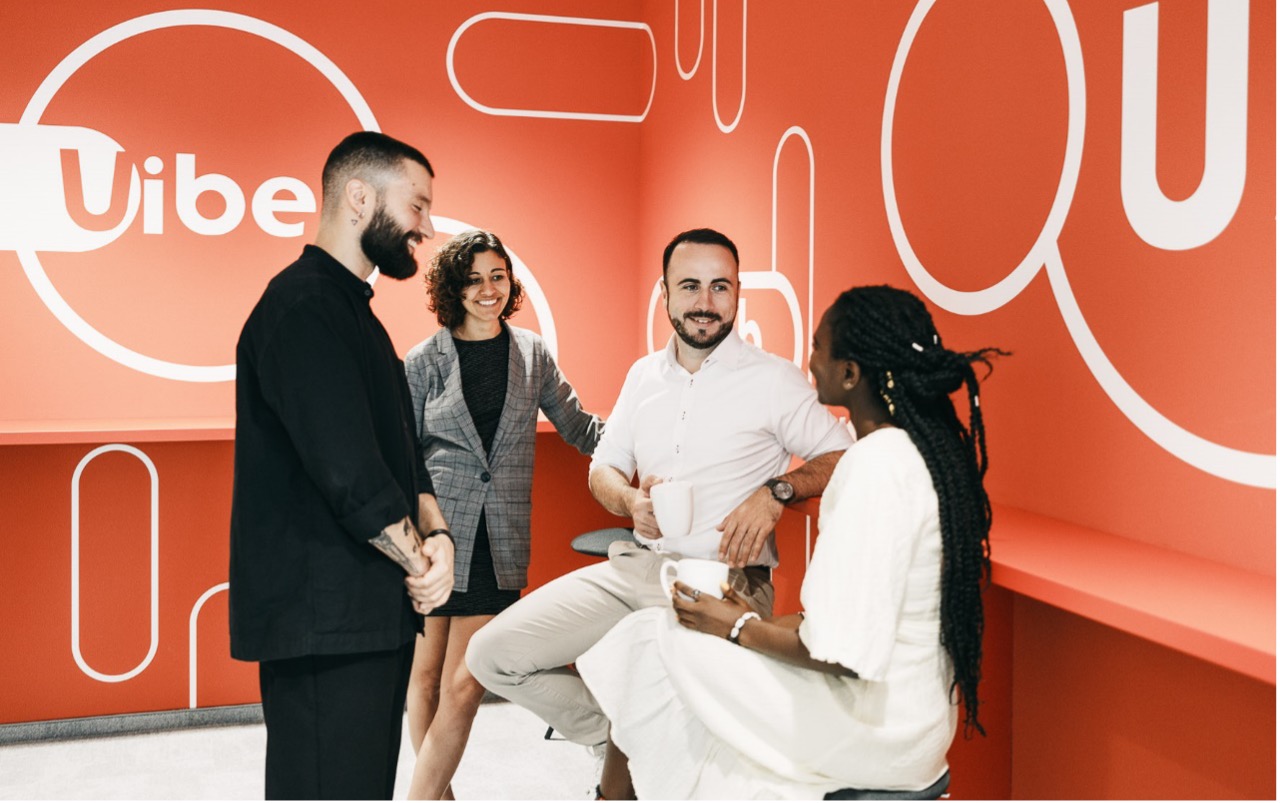
What may sound trivial at first glance is also part of employer branding: modern office environments are becoming increasingly popular. In order to work together successfully and develop innovative ideas, employees need appropriate spaces in which they can feel comfortable and develop.

Decentralized working often leads to desk-sharing concepts in offices. When desks are shared, fewer physical workstations are needed. This in turn means that space can be created for new premises. Here, the focus should be on connecting activities. Anyone who thinks a ping-pong table is the end of productivity has already lost out on some applicants. Team spirit and corporate culture can be crucial in employer branding.

A few suggestions for the use of won premises:

  • Telephone boxes
  • Writable walls
  • Space for recreation & creative development
  • Social spaces (games, food, etc.)

Employer Branding

Conclusion

Today’s applicants are looking for their employer. They expect more and want to change things. Companies need to rethink and quickly adapt to the new conditions in the labor market. The current recruiting market is an applicant market.

Companies need to clearly understand that it is not necessarily the job seekers who apply to the company, but also the companies as employers. If this understanding is given, an important first step towards modern employer branding has been taken.

To prepare for this, a very clear definition is needed of what a company can offer job seekers and why potential employees would want to work for it. Not only salary plays a role, but also and above all the purpose behind the company, the corporate culture, the team spirit, development opportunities, benefits, flexible working, and much more.

At the end of the day, it’s all about the “image” of the company. A good image requires real change and is more than clever communication. The topic of employer branding should therefore be pushed authentically across all channels and offer an honest insight into the company’s everyday life.

Christoph Monschein

Christoph Monschein

General Manager of Edenred Austria & Transformation Leader

Christoph is a transformation leader with >10 years of achieving growth and value creation in both P&L leadership and top-management consulting positions.

His experience includes delivering and implementing growth strategies as well as transformation strategies, developing management teams, leading local and global teams and driving change.

  • LinkedIn

What serves you next?

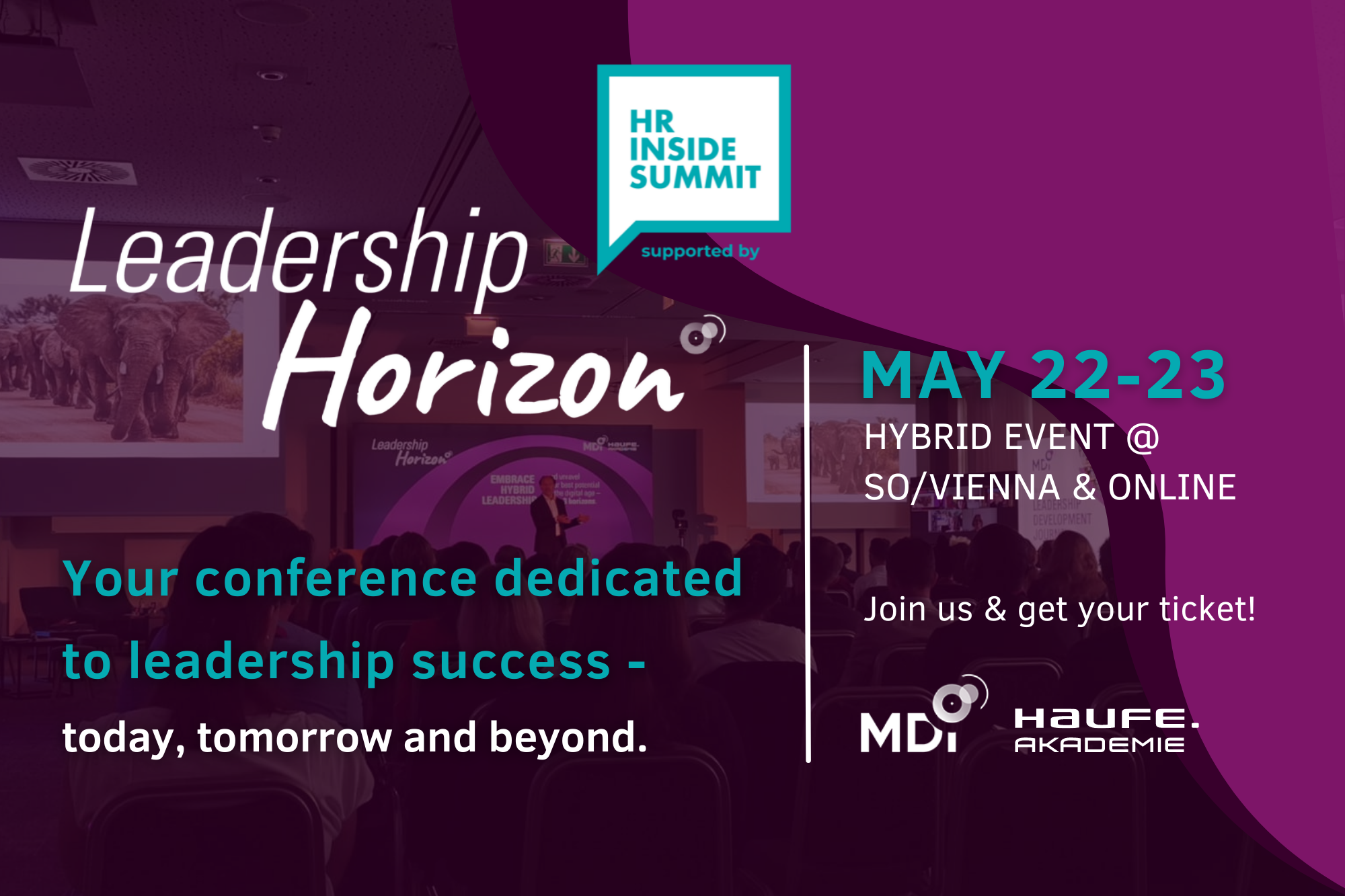
Leadership Horizon powered by HR INSIDE SMMIT

AI Ethics for Leaders: Why Context and Critical Thinking Matter More Than Ever

AI Ethics for Leaders: Why Context and Critical Thinking Matter More Than Ever. Meike’s...
Read More

A Success Story – When AI Sharpens Human Judgement

A Success Story – When AI Sharpens Human Judgement Do you prefer to listen to this article? Click...
Read More

How Do You Lead People Who Don’t Think the Way You Do?

How Do You Lead People Who Don't Think the Way You Do? Do you want to listen to this article?...
Read More

How You Deal With Neurodiversity as a Leader

How You Deal With Neurodiversity as a Leader You prefer listening to this article? You can find...
Read More

Anita’s Key to Success for International Cooperation

Anita's Key to Success for International Cooperation This blog is an excerpt from our new podcast!...
Read More

Fostering True Workplace Commitment

Fostering True Workplace Commitment Do you prefer to listen to this article? Click below to access...
Read More

Marcin Swierkocki on the Full Range Leadership Model

Marcin Swierkocki on the Full Range Leadership Model This blog is an excerpt from our new podcast!...
Read More

Self-Efficacy in Change: Why It Matters

Why It Matters When Transformation Gets Hard Do you prefer to listen to this article? Click below...
Read More

Generation Z isn’t the Problem but Our System is

Generation Z Isn’t the Problem, but Our System is. Read this article on crossgenerational management by Zeca Ruiz to find out more!

Read More

From Lab to Practice: What We Learned With AI

From Lab to Practice: What We Learned With AI Do you prefer to listen to this article? Click here...
Read More

Information

  • Imprint
  • MDI company website

Social Media

  • Facebook
  • Twitter
  • Youtube
  • LinkedIn

© MDI Management Development Institute, 2020