

How You Deal With Neurodiversity as a Leader
You prefer listening to this article? You can find our AI-generated audio version below!
How You Deal With Neurodiversity as a Leader
What might be behind “strange” behavior in a team—and how leaders can deal with it constructively.
Irritating behavior—people who are absent
Everyone knows them: the colleague who never attends team events, prefers to work with headphones on, and hardly ever consults with others, but who works with incredible precision and delivers great results. Or the colleague who is chaotic, often late, full of ideas that have made many a project a success, but lacks structure.
It’s easy to jump to conclusions: unmotivated, uncooperative, lazy, they just need to make a little effort… Discussions are held, behavior is demanded – and often nothing happens. Or worse, performance declines and sick days increase. What is going on?
What could really be behind it
Instead of jumping to the conclusion that someone “just doesn’t want to,” it’s worth taking a look behind the façade. Because conspicuous or supposedly inappropriate behavior often has deeper causes:
- Trauma & developmental experiences: People who have experienced trauma in the past often withdraw in social contexts.
- Social anxiety/anxiety disorders: What looks like disinterest can be deep insecurity or fear of embarrassment.
- Cultural or linguistic differences: Misunderstandings can easily arise when norms and communication styles don’t match.
- Mental illness: Depression or overload often manifest themselves insidiously, for example through social isolation or frequent mistakes.
- Chronic exhaustion: Care work, illness, or constant pressure lead to cognitive and emotional exhaustion.
- Personality traits & temperament: Not everyone is extroverted or team-oriented—and they don’t have to be.
- Neurodiversity: Autism, ADHD, giftedness, or dyslexia affect approximately 20% of people. Often, these conditions are accompanied by special strengths—but also by behavior that deviates from the “norm.”

The other perspective: Challenges as strengths
What may appear to be a deficiency at first glance can actually be a resource:
- Viktor Frankl developed logotherapy from his trauma.
- Frida Kahlo turned emotional pain into art that still moves people today.
- People with ADHD bring creative ideas to teams.
- Introverts like Warren Buffett make wise decisions with caution.
Those who embrace diversity also get a diversity of solutions, ideas, and perspectives.
What does this mean for leadership?
Good leadership recognizes that people tick differently—and that this is precisely where great potential lies. It’s not about making everyone the same, but about creating the right conditions so that individual strengths can become visible and effective.
In practice, this means:
- Instead of rushing to judgment: Look closely, observe, and understand patterns
- Don’t just lay down rules: Have conversations, listen, and ask about needs
- Instead of one-size-fits-all solutions: Allow for flexibility and individual ways of working
- Don’t fixate on shortcomings: Focus on existing strengths and opportunities for development
This does not mean simply accepting problematic behavior. But it does mean understanding its origin before reacting—and then providing targeted and appropriate guidance.
Ideas for your leadership practice:
See irritations as an invitation to dialogue.
Ask yourself: What does this person need to be able to work well? What conditions promote performance and belonging for this person?
Because the ability to lead diversity determines how future-proof a company really is.
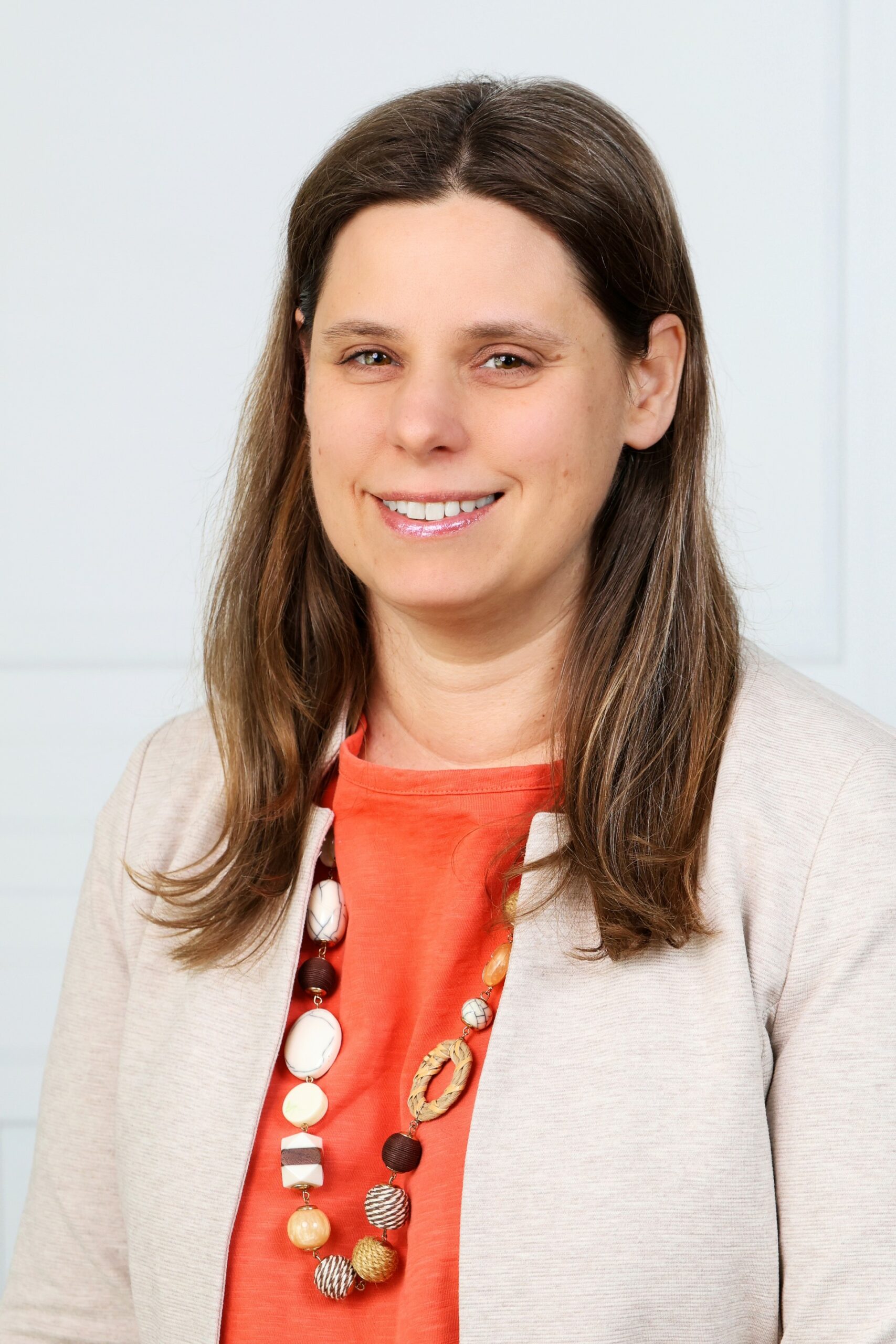
Iris Kandlbauer
Trainer and Coach
Iris Kandlbauer is a coach and trainer for leadership development with a focus on dealing with diversity in teams. She supports managers in understanding and productively utilizing different ways of thinking, working, and communicating—for example, through giftedness, neurodiversity, or cultural influences. She previously worked for many years as a teacher, trainer, and specialist in interpersonal dynamics, and now brings her educational experience to bear in effective leadership coaching and sustainable team development.